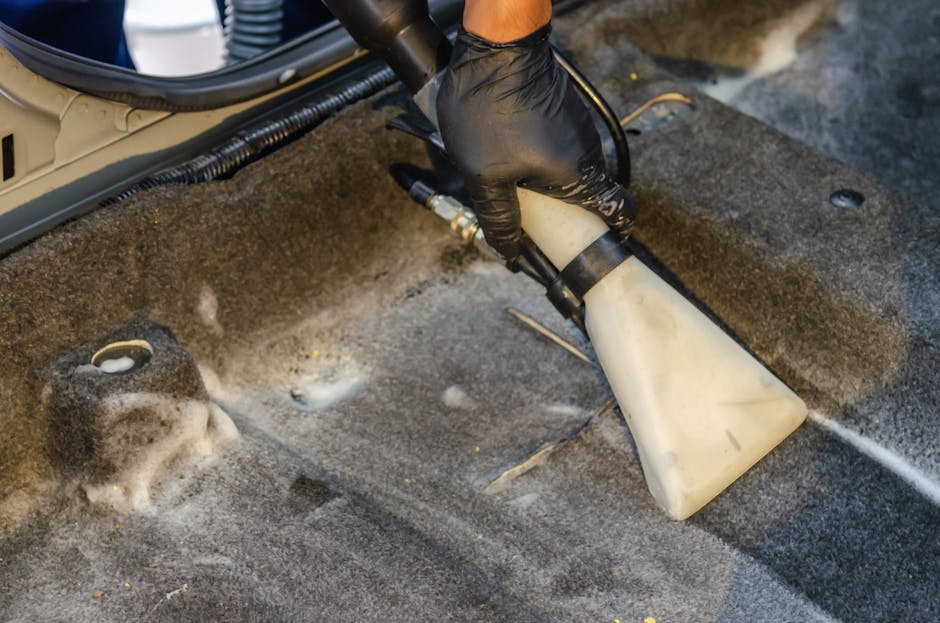
Upholstery cleaning tips for Chamberlayne Road Queens Park
If you live or work near Chamberlayne Road in Queens Park, upholstery can pick up more grime than you'd expect. Busy doorways, dusty air from the street, pets hopping on and off the sofa, and the usual tea-and-biscuit moments all leave their mark. These upholstery cleaning tips for Chamberlayne Road Queens Park are designed to help you keep sofas, armchairs, dining chairs, and fabric headboards looking fresher for longer without making common mistakes that can damage the material.
Truth be told, upholstery is one of those things people notice only when it starts to look tired. Then it suddenly becomes impossible to ignore. The good news? With the right routine, a little patience, and a sensible method, most fabrics can be maintained far better than people think. This guide walks you through what matters, how upholstery cleaning actually works, which methods suit different fabrics, and when it makes sense to call in a professional.
For readers comparing cleaning help across the area, it can also be useful to understand the wider service picture. You can browse the main upholstery cleaning service, or look at related options such as sofa cleaning and deep cleaning if your furniture needs a more thorough refresh.
Table of Contents
- Why upholstery cleaning matters in Queens Park
- How upholstery cleaning works
- Key benefits and practical advantages
- Who this is for and when it makes sense
- Step-by-step guidance
- Expert tips for better results
- Common mistakes to avoid
- Tools, resources and recommendations
- Law, compliance, standards, or best practice
- Options, methods, or comparison table
- Case study or real-world example
- Practical checklist
- Conclusion
- Frequently asked questions
Why Upholstery cleaning tips for Chamberlayne Road Queens Park Matters
Upholstery carries daily life in a way hard floors simply do not. It absorbs body oils, fine dust, food crumbs, drink spills, pollen, pet hair, and the occasional mystery mark that nobody admits to. Near Chamberlayne Road, where homes often balance city living with busy family routines, fabrics can start to look dull surprisingly quickly. And once dirt settles into the fibres, vacuuming alone rarely reaches it all.
There is also a practical side. Clean upholstery can make a room feel brighter, smell better, and look more cared for. That matters if you host guests, rent out a property, or simply want your home to feel calm rather than cluttered by visible wear. A well-kept sofa can change the feel of a room. That sounds dramatic, but it is true.
Another reason it matters is fabric health. Embedded grit acts a bit like sandpaper over time, slowly rubbing against fibres every time someone sits down. You may not notice it week to week, but after months it can shorten the life of the material. Regular cleaning is not just cosmetic; it is protective maintenance.
For landlords, letting agents, or homeowners preparing a property, upholstery is often one of those details that tips the room from "lived in" to "well cared for." Small difference, big impression.
How Upholstery cleaning tips for Chamberlayne Road Queens Park Works
Upholstery cleaning works by lifting soil from the surface and, where possible, from within the fibre structure without over-wetting the fabric or damaging the backing. That balance is the whole game. Too little action and the dirt stays put; too much moisture or the wrong product, and you risk rings, shrinkage, or colour loss. A bit unforgiving, upholstery. It has opinions.
Most fabrics respond to a few basic stages: inspect, test, loosen debris, treat spots, clean the main areas, then dry properly. The exact method depends on the material. A cotton blend sofa, for example, may tolerate gentle extraction better than a delicate velvet or a vintage silk mix. Leather is its own world entirely, and it should never be treated as if it were fabric.
In real-world terms, the process often starts with a thorough vacuum using an upholstery attachment. That removes loose dust and grit so you are not rubbing it deeper into the fabric. Then a suitable cleaner is chosen based on the care label and the type of stain. If using water-based cleaning, even distribution and controlled moisture matter. If using a solvent-based spot treatment, ventilation and careful testing matter just as much.
Professional cleaners usually bring stronger extraction tools, fabric-safe detergents, and more experience reading the signs of a textile that is about to react badly. But for everyday upkeep, a sensible home routine can go a very long way.
Key Benefits and Practical Advantages
Good upholstery care is not just about making things look nice for a day or two. The benefits stack up.
- Better appearance: Colours look clearer, pile looks more even, and the room feels fresher.
- Reduced odours: Everyday smells from pets, cooking, and general living become less noticeable.
- Longer fabric life: Removing abrasive dirt helps reduce wear over time.
- Healthier indoor feel: Dust and allergens can settle in soft furnishings, so cleaning helps reduce buildup.
- Improved comfort: Sofas and chairs feel cleaner to sit on, which sounds obvious, but it matters.
- Better presentation: Helpful for home sales, rentals, guest rooms, and client-facing spaces.
There is another benefit people often overlook: confidence. When your sofa looks clean, you stop worrying every time someone spills a drink or drops a few crumbs. The furniture stops being a problem and starts being part of the home again. That's a quiet win, but a real one.
Who This Is For and When It Makes Sense
This advice is useful for anyone with fabric furniture, but it is especially relevant if you live in a flat or family home near Chamberlayne Road, where everyday traffic tends to be fairly high. If you have children, pets, guests coming and going, or a rental property to maintain, your upholstery will need attention more often than you think.
It also makes sense if you have noticed any of the following:
- armrests looking darker than the rest of the sofa
- light marks from food, drinks, or makeup
- dusty or stale smells when the room has been closed up
- pet hair clinging to seams and corners
- flattened patches where the fabric gets the most use
- visible shading or patchiness on the seat cushions
For someone moving out, preparing a property for new occupants, or refreshing a living room after a long winter, upholstery cleaning is one of those jobs that makes an outsized difference. You do not always need a full-scale deep clean, but sometimes the sofa has quietly crossed the line from "fine" to "needs attention."
And yes, sometimes the right answer is simply to clean it before the stain becomes part of the family lore.
Step-by-Step Guidance
If you want practical upholstery cleaning tips for Chamberlayne Road Queens Park, the safest approach is methodical. Do not rush it. A clean result usually comes from a calm sequence, not from scrubbing harder.
1. Check the care label first
Start with the manufacturer's cleaning code if the furniture has one. These codes may indicate whether the fabric should be cleaned with water, solvent, both, or only by specialist methods. If the label is missing, treat the piece cautiously and test every cleaner in a hidden spot.
2. Vacuum thoroughly
Use an upholstery attachment and go slowly over seams, piping, under cushions, and around buttons. This removes grit before it can smear or scratch the fibres. A quick pass is better than nothing, but a proper vacuum makes everything that follows more effective.
3. Identify the fabric type
Cotton, linen, synthetic blends, microfibre, wool mixes, velvet, and leather all behave differently. Microfibre, for instance, can often handle light cleaning quite well, while natural fibres may hold water and spot more easily. If you are not sure, treat the fabric as delicate until proven otherwise.
4. Test in an inconspicuous area
Try a small amount of your chosen product on a hidden panel, such as the back corner or lower side. Wait for it to dry fully. Look for colour transfer, texture changes, or any stiffening. This tiny step can save you from a very annoying afternoon.
5. Treat spots gently
Blot spills rather than rubbing them. Rubbing tends to spread the stain and push it deeper. For many fresh marks, a soft white cloth dampened with a suitable cleaning solution is enough. Work from the outside of the stain inward so it does not grow.
6. Clean the main surface carefully
Apply product sparingly and evenly. A little goes a long way. Over-wetting is one of the most common reasons upholstery ends up with water marks or long drying times. If using foam or a light spray, keep the layer thin and controlled.
7. Rinse or extract if required
Some products need removal after a short dwell time. If you are using a wet cleaning method, remove residues as directed so the fabric does not attract dirt later. Leftover detergent can leave sticky patches that look clean at first and then turn grimy again. That is a nuisance nobody needs.
8. Dry properly
Allow good airflow, open windows if weather and security permit, and keep cushions spaced out. Do not use heat too aggressively. Gentle air movement is safer than blasting the fabric with a hot appliance. Drying can take several hours, sometimes longer depending on the room and fabric.
9. Re-fluff and re-shape
Once dry, plump cushions, smooth seams, and brush the pile lightly if appropriate. This helps restore the original look and prevents a slightly crushed finish.
10. Keep up a simple routine
Regular light maintenance prevents the next deep clean from becoming a rescue mission. A weekly vacuum and immediate spot treatment usually beat heroic cleaning once a year.
Expert Tips for Better Results
Here is where the small details matter. They do not sound dramatic, but they make a genuine difference.
- Work on one section at a time. It keeps moisture controlled and helps avoid patchy results.
- Use white cloths instead of coloured ones. Dye transfer is a silly but very real problem.
- Blot, do not scrub. Scrubbing can distort pile and damage seams.
- Keep products mild unless the stain really demands more. Stronger is not always better.
- Ventilate the room. Fresh air helps with drying and odour control.
- Rotate cushions if possible. Uneven wear is easier to prevent than to correct.
- Be extra careful with velvet and textured fabrics. Their finish can change if they are overworked.
A small real-world tip: if you are cleaning after a spill in the evening, resist the urge to keep poking at it in poor light. Get the basics done, then let it dry properly. In the morning, inspect it in daylight. You will see things much more clearly. Sounds obvious, but people forget.
Another useful habit is to clean the sofa before guests arrive or before a room is photographed, not after. That way you get the benefit while the room still feels lived in, not treated like a crime scene.
Common Mistakes to Avoid
Upholstery cleaning looks straightforward until one rushed decision causes a watermark or a fabric change. The mistakes below come up a lot.
Using too much water
Many fabrics do not appreciate being soaked. Excess water can spread stains, affect the backing, and create drying problems.
Skipping the test patch
It feels minor in the moment, but a hidden test is your safety net. Without it, you are guessing.
Choosing the wrong product
A cleaner made for hard surfaces or carpets may be too harsh for upholstery. Always match the product to the textile.
Rubbing spills aggressively
This is one of the fastest ways to make a stain larger and more stubborn. Gentle pressure usually wins.
Ignoring the care code
If the label says solvent-only or professional cleaning only, that is worth respecting. It is not there for decoration.
Trying to hide damp patches with fans alone
Air movement is useful, but the fabric still needs time. If it remains wet underneath, odours and marks can follow.
Cleaning too rarely
Waiting until the fabric looks obviously dirty means the job will take longer and may not fully restore the original appearance.
To be fair, most of these errors happen because people are trying to do a good job quickly. That is understandable. Upholstery just punishes haste a little.
Tools, Resources and Recommendations
You do not need an enormous kit to maintain upholstered furniture well. A modest set of tools is usually enough for sensible upkeep.
| Tool | What it helps with | Why it matters |
|---|---|---|
| Vacuum with upholstery attachment | Dust, crumbs, pet hair, grit | Prevents soil from grinding into fibres |
| White microfibre cloths | Spot treatment and blotting | Reduces dye transfer and improves control |
| Soft-bristled brush | Loosening dry debris or refreshing pile | Gentle enough for many fabrics when used carefully |
| Mild fabric-safe cleaner | Light stains and general upkeep | Safer than harsh multipurpose sprays |
| Small fan or open window | Drying support | Helps reduce lingering dampness |
| Protective gloves | Handling cleaners | Keeps skin comfortable and reduces irritation risk |
If you are looking for a broader cleaning plan, it can help to think of upholstery as part of the whole home rather than a one-off task. Many households pair fabric care with domestic cleaning or one-off cleaning when the room needs a full reset. That approach is often more efficient than trying to tackle everything in isolation.
And if your upholstery sits alongside carpets that are also looking tired, a combined approach with carpet cleaning can make the whole room feel more balanced. Furniture and flooring tend to show each other up, unfortunately.
Law, Compliance, Standards, or Best Practice
For most homeowners, upholstery cleaning is mainly a matter of good practice rather than legal compliance. Even so, there are sensible standards worth following, especially in shared properties, rental homes, and workplaces.
For example, cleaning products should always be used according to the manufacturer's instructions, with appropriate ventilation and care around skin or eye contact. If you are in a letting or managed property, it is sensible to keep a record of condition before and after cleaning if damage or stains might later need to be discussed. That is more common-sense than bureaucracy, really.
From a broader business and household safety perspective, reputable cleaning providers typically carry suitable insurance and follow health and safety procedures for chemical handling, electrical equipment, and slip hazards. If you are choosing a provider, it is reasonable to ask about those basics. A trustworthy company should not seem evasive about them.
For your own home, the main best-practice points are straightforward:
- read fabric labels before using any cleaner
- keep children and pets away from damp upholstery until dry
- avoid mixing cleaning products
- dispose of used cloths responsibly
- store chemicals safely and out of reach
If you are comparing providers in the area, information pages such as insurance and safety, health and safety policy, and terms and conditions can help you understand how a service is run. It is not glamorous reading, granted, but it does build trust.
Options, Methods, or Comparison Table
Different upholstery materials and levels of soiling call for different methods. The right choice depends on the fabric, the stain, and how much risk you are willing to take. In other words, there is no universal magic spray. Wouldn't that be nice?
| Method | Best for | Advantages | Watch-outs |
|---|---|---|---|
| Vacuum and spot clean | Routine maintenance | Quick, low-risk, inexpensive | Not enough for embedded soil |
| Foam or light surface cleaning | Everyday stains on suitable fabrics | Controlled moisture, easier drying | May not remove deep odours |
| Wet extraction | Heavily used family sofas and chairs | Deep soil removal, fresher finish | Requires care to avoid overwetting |
| Solvent-based cleaning | Specific delicate fabrics or targeted stains | Useful where water is unsuitable | Needs correct product and ventilation |
| Professional specialist cleaning | Delicate, valuable, or badly stained items | Expert assessment and better equipment | Higher cost than DIY methods |
If your sofa is expensive, antique, or made from a fabric you do not fully trust, a professional assessment is usually the safer route. If it is a more standard modern piece with a washable care code, a careful home clean may be perfectly reasonable.
Case Study or Real-World Example
A typical Queens Park household might notice the same thing many people do: the main family sofa still looks fine from across the room, but up close the armrests are darker, the seat cushions carry a faint smell, and one side has a coffee mark that has been quietly ignored for a month. Nothing dramatic. Just enough to make the room feel a bit off.
In one ordinary scenario, the first step was a proper vacuum, especially around the seams where crumbs and dust had collected. The second step was a spot test on the back of the sofa because the fabric was a woven blend and the owner was unsure how it would react. After a mild cleaner was applied lightly to the stained area and blotted rather than rubbed, the mark softened considerably. The whole seat was then cleaned in small sections, with windows opened and cushions left apart to dry.
The result was not showroom perfection, and it did not need to be. The sofa looked brighter, the room smelled cleaner, and the client stopped avoiding that corner whenever people came round. That small psychological shift matters more than people admit. A fresh sofa can make the whole room feel more settled.
Of course, if that same sofa had been velvet with unknown colouring or an old piece with fragile stitching, the approach would have been different. That is exactly why judgement matters in upholstery care.
Practical Checklist
Use this checklist before you start cleaning. It keeps things simple and lowers the risk of mistakes.
- Check the care label or any fabric instructions
- Identify whether the material is delicate, synthetic, natural, or leather
- Vacuum the piece thoroughly, including seams and cushions
- Test the cleaner on a hidden area
- Gather white cloths, a soft brush, and a suitable cleaner
- Work on one small section at a time
- Blot stains gently instead of rubbing
- Use as little moisture as possible
- Improve airflow for drying
- Wait until completely dry before regular use
- Re-fluff cushions and check for any leftover marks
- Repeat light maintenance weekly if the furniture gets heavy use
If you tick those boxes, you are already ahead of most casual cleaning attempts. Simple is usually safer.
Conclusion
Good upholstery care is really about calm, consistent habits. If you vacuum regularly, spot-treat carefully, respect the fabric type, and avoid over-wetting, your furniture will stay fresher and last longer. That is the heart of the matter. The best upholstery cleaning tips for Chamberlayne Road Queens Park are not flashy; they are careful, practical, and designed to protect the fabric rather than fight it.
Some jobs are worth doing yourself. Others are better left to a specialist, especially when the fabric is delicate, the stains are stubborn, or you simply want a more thorough finish without the trial-and-error. Either way, a little informed attention goes a long way, and your home will feel better for it.
Get a free quote today and see how much you can save.
And if the sofa suddenly looks a bit more welcoming tonight, well, that is one of those small domestic victories that quietly makes the week better.
Frequently Asked Questions
How often should upholstery be cleaned in a busy home?
For a busy household, light vacuuming weekly and more thorough cleaning every few months is a sensible rhythm. If children or pets use the furniture heavily, you may need to clean spot areas more often. The key is to stop dirt settling deep into the fibres.
Can I use carpet cleaner on my sofa?
Usually, no. Carpet cleaners are not automatically suitable for upholstery because fabrics, stitching, and padding can react differently. Always check the care label and use a product designed for the specific textile.
What is the safest way to remove a fresh spill?
Blot the spill immediately with a clean white cloth, working gently from the outside toward the centre. Avoid rubbing, because that spreads the stain and pushes it into the fabric. After that, use a fabric-safe cleaner only if the care instructions allow it.
How do I know if my upholstery needs professional cleaning?
If the fabric has deep-set odours, stubborn stains, visible shading, or a delicate care code, professional cleaning is usually the safer option. It also makes sense if the item is expensive, antique, or has sentimental value.
Will upholstery cleaning remove pet smells?
It often helps a lot, especially if the smell is from surface dirt or general use. Strong or long-standing pet odours may need a more thorough treatment, because smell can settle deeper into the cushion layers than people realise.
Is steam cleaning safe for all upholstery?
No, not for all upholstery. Some fabrics tolerate moisture and heat well, while others can shrink, distort, or mark. The fabric type and cleaning code matter more than the method itself.
How long does upholstered furniture take to dry?
Drying time depends on the fabric, ventilation, humidity, and how much moisture was used. It can take several hours, and sometimes longer. Good airflow helps, but rushing the process is not a great idea.
Can I clean velvet upholstery at home?
Sometimes, but carefully. Velvet can change texture if overworked or over-wet, so light vacuuming and very gentle spot treatment are usually the safer first steps. For valuable velvet pieces, professional help is often the wiser move.
What should I do if a stain keeps coming back?
That usually means residue is still trapped in the fibres or backing. A surface-only clean may not have removed the source completely. Treating the area again with the correct method, or using a deeper clean, may be necessary.
How do I keep upholstery cleaner for longer?
Vacuum regularly, deal with spills straight away, rotate cushions where possible, and avoid eating or drinking on the sofa if you can help it. A little prevention saves a lot of work later. Not always possible, of course, but worth trying.
Are fabric protectors worth using?
They can be useful on some fabrics, especially in homes with heavy use. They do not make upholstery stain-proof, but they may give you more time to blot a spill before it sets. Always check whether the product is suitable for your material.
What if I am not sure what fabric my sofa is made from?
If the fabric is unclear, treat it as delicate and avoid strong cleaners or heavy water use. Check for any label, invoice, or care sheet first. When in doubt, a professional inspection is often the least risky path.